
News
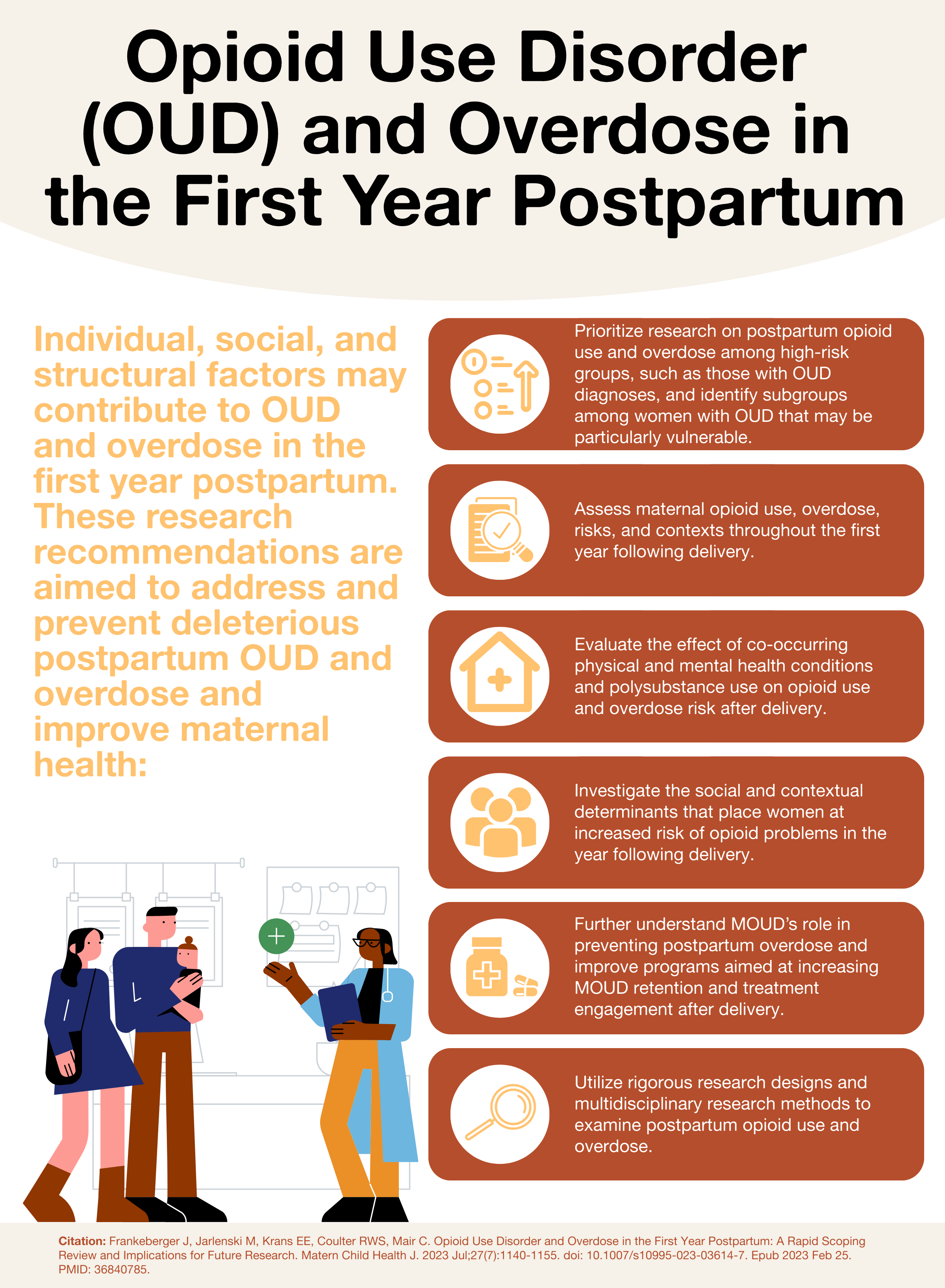
Opioid Use Disorder and Overdose in the First Year Postpartum
Drs. Jarlenski and Krans conducted a scoping review including seven studies that highlight the literature's limited understanding of why women in the first year postpartum are particularly vulnerable to opioid overdose. Recomendations within the literature include:

The TransPride YOUniting Health and Wellness Conference
The TransPride YOUniting Health and Wellness Conference seeks proposals for their upcoming conference from Oct. 5-7 in Pittsburgh. This conference aims to bring together community, professionals, families, educators, allies, advocates, and supporters and rallying against anti-transgender issues by centering the lives and lived experiences of the transgender, gender diverse, and gender non-conforming people.
Overlap between birth trauma and mistreatment
Drs. Cynthia Salter, Judy Chang, and Dara Mendez collaborated on a qualitative analysis exploring American clinician perspectives on patient birth experiences looking at birth trauma and mistreatment. This study contributes new insight into maternity clinicians' conceptualization of patient trauma and how their descriptions of birth trauma overlap with mistreatment. Clinicians implicitly connected mistreatment with some patient experiences of birth trauma, even when they were not specifically asked about mistreatment.

Addressing Gendered Racism Against Black Girls Using a Strengths-Based Empowerment-Intersectional Framework for Sexual Health and Substance Use Prevention Programming
Dr. Ashley Hill and her team developed an empowerment-intersectional framework for sexual health and substance use prevention programming to address gendered racism against Black girls.
https://pubmed.ncbi.nlm.nih.gov/37166152/

Disordered eating during pregnancy among individuals participating in the Special Supplemental Nutrition Program for WIC
Dr. Michele Levine and her team examined associations between WIC participation and disordered eating in pregnancy, covarying for depressive symptoms. Findings show that WIC participation was associated with higher scores on overall eating pathology as well as dieting and oral control subscales, but not bulimic or food preoccupation subscales, or a binge-eating item. Patterns of findings did not change when depressive symptom severity was included in models.
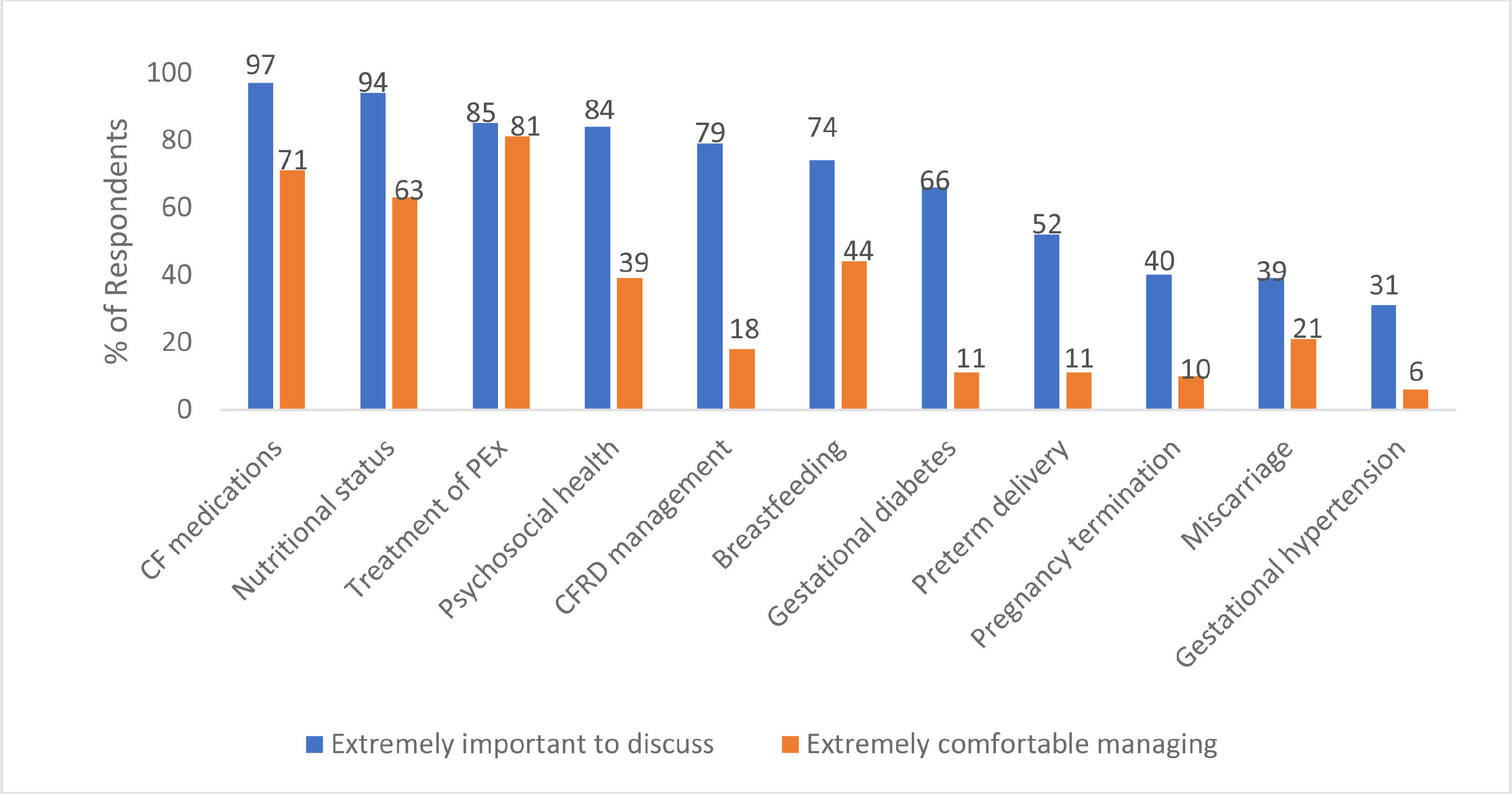
Clinician attitudes and practices on pregnancy planning and care in cystic fibrosis
Dr. Traci Kazmerski and her team looked at clinician attitudes and practices on pregnancy planning and care in cystic fibrosis (CF) and found that:

Duration of medication for opioid use disorder during pregnancy and postpartum by race/ethnicity
Dr. Marian Jarlenski's study looked at the duration of medication for opioid use disorder during pregnancy and postpartum by race and ethnicity in Medicaid and found that:
- There are racial/ethnic inequities in MOUD use during pregnancy.
- Less is known about racial/ethnic inequities in MOUD use postpartum.
- White women had longer duration of MOUD postpartum than Hispanic or Black women.
- Inequities differed by type of MOUD.

Sex-related differences in the prevalence of substance use disorders, treatment, and overdose among parents
Drs. Gao, Krans, and Jarlenski found in their recent study that female parents are less likely to be diagnosed with a substance use disorder (SUD) or receive medication for an opioid use disorder (MOUD) than male parents. Removing policies that criminalize parental SUD and addressing childcare-related barriers may improve SUD identification and treatment.
Read more about their findings here: https://pubmed.ncbi.nlm.nih.gov/37214425/

Treatment Disparities in Radiation and Hormone Therapy Among Women Covered
Access to quality healthcare is a fundamental right, yet disparities in cancer treatment persist among different insurance coverage groups. A study by Dr. Lindsay Sabik and her team focused on women aged 21-63 years who underwent breast cancer surgery. Dr. Sabik found that treatment disparities were underreported in both data sources.

Covid-19 Vaccination Beliefs and Attitudes of Lactating People
Dr. Jill Demirci and her team researched Covid-19 vaccine hesitancy of pregnant and recently pregnant people, finding that among this group safety concerns persisted, with many reporting a lack of direct counseling from providers.
Learn more about their findings here: https://pubmed.ncbi.nlm.nih.gov/37009722/

Professor Greer Donley will be the new Associate Dean of Research and Faculty Development
We’re excited to announce that Greer Donley will be the new Associate Dean of Research and Faculty Development at the School of Law!

Literature Review: Parent-Adolescent Sexuality Communication in the African Context
Dr. Martina Anto-Ocrah and her team conducted a review of 1045 studies, 16 of which were included. They found that comprehensive sexuality education between parents and adolescents is lacking in Africa south of the Sahara, depriving young people of critical sexual health information.
Read more about their findings here: https://pubmed.ncbi.nlm.nih.gov/37051962/

Sexual and reproductive health experiences and care of adult women with cystic fibrosis
In their recent study, Dr. Traci Kazmerski and Olivia Stransky found that women with cystic fibrosis (CF) have significantly different sexual and reproductive health (SRH) experiences than their non-CF peers. They report suboptimal SRH care compared to their preferences highlighting an urgent need to encourage SRH counseling/care in the CF model.
Read more about their study here: https://pubmed.ncbi.nlm.nih.gov/36210323/

Finding ways to work parenting into cystic fibrosis
As more people with cystic fibrosis (CF) consider their reproductive futures, the impact of parenthood on CF must be better understood. Olivia Stransky and Dr. Traci Kazmerski found that parents with CF identified unique challenges to their existence as both parents and patients as well as ways in which parenting has enhanced their lives.
Read more about their study here: https://pubmed.ncbi.nlm.nih.gov/36808716/

Low Use of VA Primary Care for Reproductive Health Services
National Veteran Affairs guidance recommends regular assessment of reproductive goals at primary care visits. However, Drs. Quinn, Borrero, and Callegari found that fewer than half (44%) of pregnancy capable veterans reported receiving any reproductive health services (i.e., contraceptive services, pre-pregnancy counseling or both) from a VA primary care provider in the last year. In this article the team discusses the femtech tool MyPath as a way to promote patient-centered conversations about reproductive goals and needs for services.